

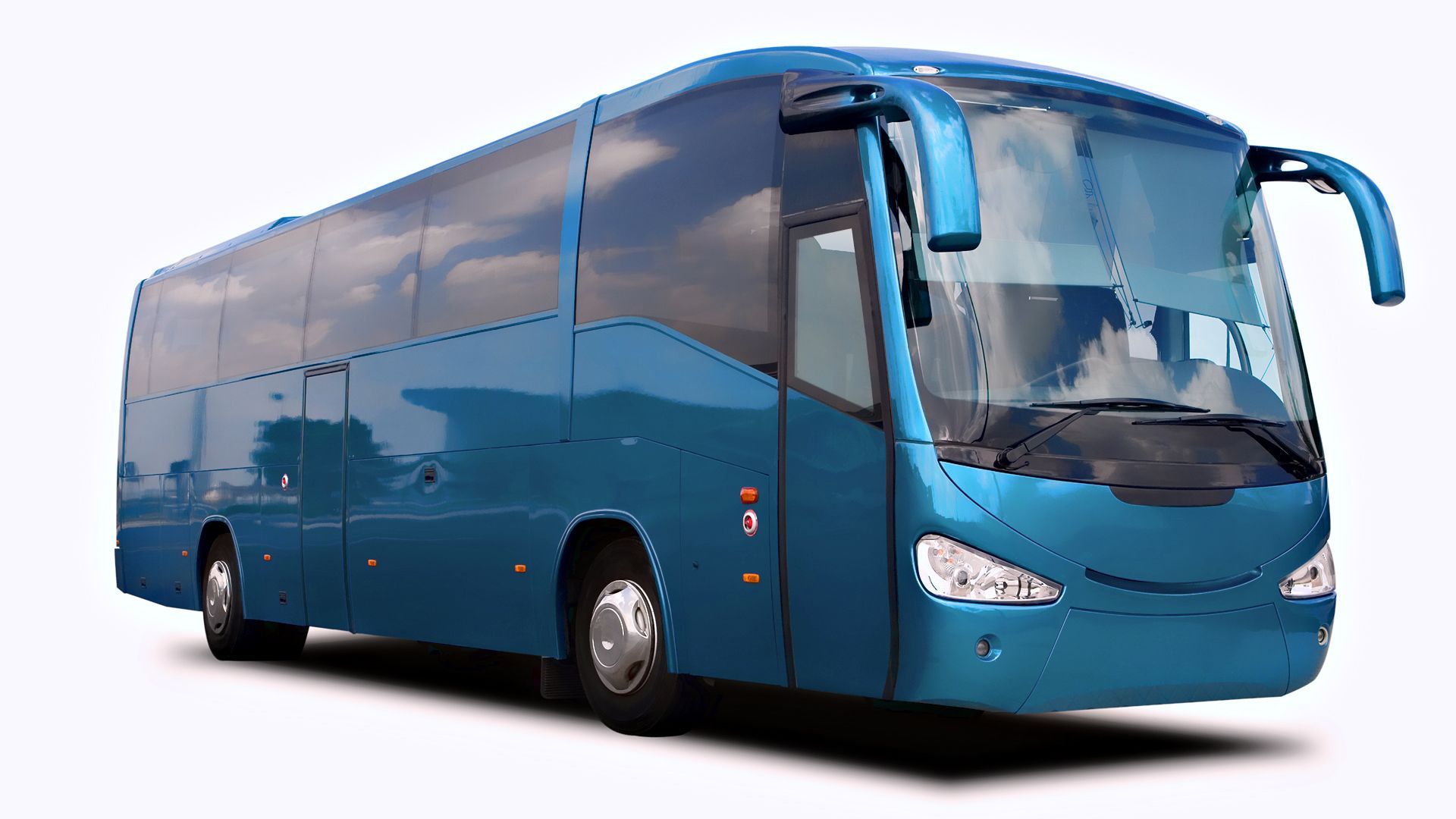
Close your eyes for a moment. Picture this: a packed overnight bus, the smell of ripe Alphonso mangoes tucked under someone's seat, a child asleep across three laps, a grandmother clutching a steel tiffin box, and a conductor calling out stops in a voice that somehow rose above the engine's roar. This wasn't an inconvenience. This was summer travel in India.
Before apps, before e-tickets, before Google Maps and real-time tracking — summer travel was an adventure that began days before you actually left home.
“The journey itself was the destination. Nobody arrived at their hometown having merely ‘traveled.’ They arrived having lived a small story along the way.”
The Pre-Journey Ritual
It always started with the booking. No apps, no net banking, no OTPs. Someone — usually the eldest son or a trusted neighbor who "knew people" — would physically walk to the bus stand or travel agency, stand in a line that moved at the pace of a ceiling fan on its lowest setting, and secure tickets by writing names in a register. If you were lucky, you got a window seat. If not, you negotiated it on the bus itself.
Then came the packing. The bags weren't just bags — they were time capsules. Sweets wrapped in newspapers, pickles sealed with cloth and thread, new clothes for cousins still in plastic wrappers, medicines for grandparents, and always, always mangoes. You didn't visit family in the summer without mangoes.
Why Summer? The Great Indian Migration
India does not simply go on holiday in summer. India moves. Every year between April and June , tens of millions of people travel back to their hometowns, villages, and ancestral homes. Schools close. Offices thin out. And the roads, railways, and bus routes fill up with the great seasonal migration of a civilization that still holds home as sacred.
Unlike leisure travel in the Western sense, Indian summer travel is deeply tied to relationships — visits to grandparents before they grow older, weddings that families have traveled across states for, cousin-reunions that happen only once a year, and that unique ritual of "going to native place" that no modern phrase adequately captures.
The summer heat itself was almost irrelevant. You didn't travel despite the heat — you traveled because life demanded it. Because Nani was waiting. Because the mango season was short. Because home was home.
The Bus Was More Than a Vehicle
If the train was the backbone of Indian summer travel, the bus was its soul. Trains had fixed routes, fixed schedules, fixed certainty. Buses were different. A bus route felt local, intimate, personal. The driver knew the roads like the lines of his own palm. The conductor knew which stop had the best chai. The bus itself — usually painted in bold state transport colors, or the vivid livery of a private operator — was a mobile neighborhood.
You talked to strangers on buses. You shared food. You helped each other with luggage. Old women would ask young men to help hoist their bundles to the overhead rack. Someone always had digestive pills. Someone always knew a shortcut. The 8-hour journey to a small town wasn't just transit — it was community.
And then there were the stops. The legendary highway dhaba stops where the bus would pause for 20 minutes, and everyone would tumble out, stretch their legs, argue about the samosas, gulp chai from kulhads, and somehow all make it back before the driver honked. Nobody had a phone alarm. Nobody needed one. The culture was self-organizing.
“On those buses, we didn’t scroll through timelines. We lived in one — the long, slow, beautiful timeline of a journey home.”
The Mango Economy of Summer Travel
You cannot write about Indian summer travel without writing about mangoes. They were the unofficial currency of the season. Families didn't just bring them — they transported them with the seriousness of precious cargo. Alphansos from Ratnagiri, Langdas from Varanasi, Kesar from Junagadh, Dasheris from Lucknow — each variety carried in specific quantities for specific relatives, because you absolutely could not give Nana the same mango you gave mama.
Every bus in peak summer smelled of them. Sweet, heavy, warm from the sun. The smell of a mango on a long bus ride is one of those olfactory anchors that, decades later, can transport a grown adult entirely back to childhood — to the seat, the rattling window, the dusty highway outside, and the absolute certainty that something wonderful waited at the end of the road.
What Changed — And What Didn't
Today, you can book your seat in 30 seconds on your phone. You get real-time tracking. You can choose your seat, your bus, and your boarding point. You get SMS alerts and digital tickets. At Sangitam Travel, we've built our entire service around making intercity journeys faster, safer, and more comfortable for modern travelers.
But here's what technology changed and what it didn't: it changed the friction. It didn't change the feeling.
People still travel home in the summer. The buses still fill up in May. Families still pack too much. Grandparents are still waiting. Mangoes are still bought with an engineer's precision and a lover's devotion. The journey is smoother now — the roads are better, the buses are air-conditioned, the seats are wider — but the reason for the journey is the same as it was fifty years ago.
You go home because home is irreplaceable. You go in summer because that's when the world slows down just enough to let you.
Why Summer Will Always Be India's Biggest Travel Season
There are practical reasons, of course. School holidays create a natural 45-day window when families can move without disrupting education. The agricultural cycle has historically aligned family reunions with the period just before the monsoon. Weddings are timed to the summer months across many communities.
But the deeper reason is cultural. India is a civilization that measures its calendar not just by months, but by seasons of obligation and affection. Summer is the season of return. You return to parents who are growing older. You return to grandparents who want to see your face one more time this year. You return to cousins who are growing up faster than your annual visit can capture. You return to the street where you grew up, the temple you used to run to, the tap that still has the same sound.
No amount of video calls has changed this. If anything, the hunger to return has deepened in a world where we are always connected but sometimes feel profoundly far from home.
“At Sangitam Travel, we don’t just move passengers from point A to point B. We carry the emotion of return—every single summer.”
A Note from Sangitam Travel
We started Sangitam Travels with a simple belief: intercity bus travel in India deserves to be as dignified, comfortable, and reliable as the journeys it carries. Because these aren’t routine commutes — they are the annual homecomings of a billion people.
Every bus we run in summer carries more than passengers — it carries anticipation.
Someone is going home to their mother after a year.
Someone is taking their child to meet grandparents for the first time.
Someone is travelling with a bag of mangoes and a heart full of hope.
That is the weight we carry. And we carry it with pride. So, let us take you where your home is..