

The Evolution Of Road Transportation
The evolution of transportation has brought a drastic change in the world. It has a huge context for discussion; if we go on to write about everything in detail, then we will have to write a book for it. That’s why we preferred to stick with road transport and see how road transport evolved over time from bullock carts to modernized electric vehicles.
Road transportation has been an intrinsic part of human progress, evolving hand in hand with our quest to connect, explore, and expand horizons. What once began with humble, rudimentary methods has transformed into an era of high-speed, technologically advanced systems. This journey, spanning centuries, showcases human ingenuity and reflects how the concept of distance and time has changed.
Let’s take a ride through history and explore how road transportation evolved—from its primitive beginnings to today’s cutting-edge vehicles.
The Beginnings: A World of Wheels and Carts
Long before engines powered our journeys, humans relied on the strength of animals and the innovation of wheels. The invention of the wheel around 3500 BCE was a monumental leap forward, allowing people to create carts that could carry goods and passengers over long distances. Pulled by oxen, horses, or camels, these carts were the backbone of ancient trade routes and early civilizations.
However, the challenges were immense—uneven terrain, lack of proper roads, and slow speeds made travel arduous. Back then, journeys that took mere hours today often spanned days or even weeks.
The Steam-Powered Revolution: Engines Take the Lead
The advent of the steam engine in the late 18th century marked a transformative era. In 1769, Nicolas-Joseph Cugnot created what is often considered the first self-propelled vehicle, a steam-powered tricycle. While primitive and limited in scope, it laid the groundwork for future developments.
It was only during the 19th century that the steam road vehicle came to be prominently used to carry goods. Very cumbersome and slow, these vehicles heralded the beginning of mechanized road transportation, thus enabling distances over considerable mileage to be covered without the need for animals to draw.
The Oldest Public Transport: The First Buses
Benz & Cie introduced the first motorized public bus system to the world in 1895. The Benz Omnibus had the capacity to carry eight passengers and was the beginning of a new era in transportation. The first motorized bus in India was introduced in Mumbai in 1926 by the Brihanmumbai Electric Supply and Transport, or BEST, service.
The double-decker buses, which were iconic in cities like London, were introduced during the British era in India and were still operating in cities like Mumbai till 2023. The two-level seating of these buses provided a practical solution to the transportation of large numbers of people in congested urban areas. The improvement in the road system was done under British rule, mainly for administrative purposes, focused on military and trade routes.
Internal Combustion Engine: The True Game-Changer
The late 19th century was a time for the production of the first internal combustion engine—a revolution that would change the face of road transportation forever. In 1885, Karl Benz designed the first automobile fueled by a gasoline engine, marking a pivotal moment in automotive history. This innovation, the Benz Patent-Motorwagen, was officially patented in 1886 and became the world's first petrol-powered car.
Cars became available and affordable once Henry Ford introduced assembly line production in the early 20th century. In this regard, mass mobility emerged as a new era. This led to the construction of highways and freeways in the 20th century. The roads then began to extend, cities became closer together, and traveling became not just a necessity but a symbol of freedom. This led to better transportation services, and personal vehicles like cars evolved with improved efficiency, safety, comfort, and performance.
Infrastructure Growth: The Road Connecting the World
Since people began to speed and become consistent, better roads were necessary. In the 20th century, people worked toward establishing massive road networks like highways, bridges, and tunnels around the globe. The U.S. Federal-Aid Highway Act of 1921 ushered in the expansive interstate highway network that improved highway travel, as convenient and safer.
Countries around the world began to invest in road infrastructure and connectivity for trade, tourism, and other purposes. The rural areas came alive, and cities were established. Metaphorical distances decreased because distances decreased.
Heavy Vehicles: The Spine of Road Transport
Heavily used vehicles were trucks and buses in the development of road transport. Trucks became a necessity for moving cargo around regions, while buses became the public mode of transport for millions. India's Tata Motors, formed in 1945, is a leading heavy vehicle producer, providing people with reliable buses and trucks for local and international markets.
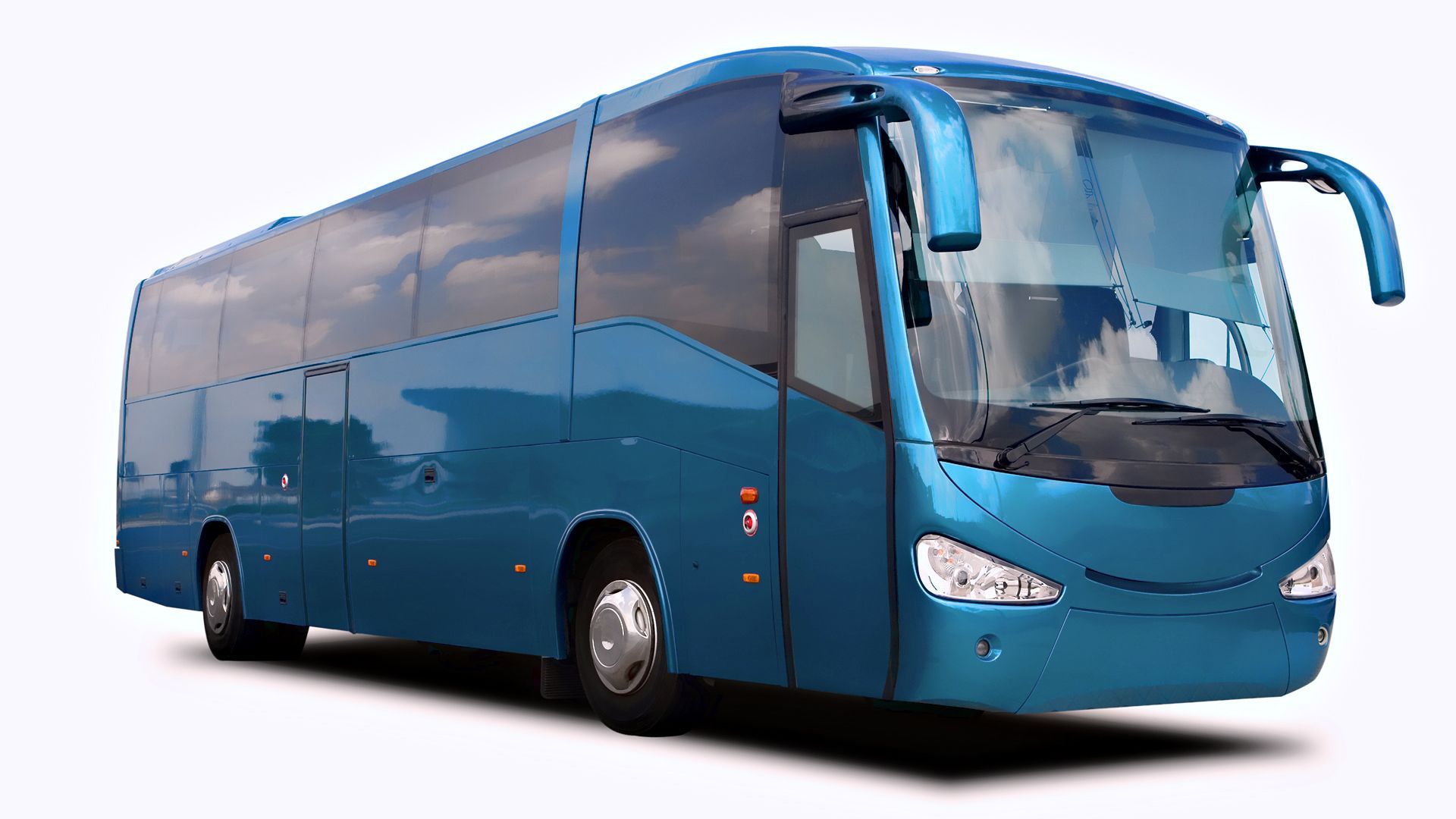
Luxury coaches and advanced city buses now dominate the market, but with features that include air conditioning, GPS tracking, and ergonomic seating, they provide unparalleled comfort.
Modern Marvels: High-Tech Vehicles
Today, roads are the epitome of innovation. Electric vehicles, from electric cars to self-driving cars, all begin and end in sustainability, efficiency, and convenience. Electric engines, which companies like Tesla started off with, have helped reduce carbon footprints. Hybrid technology brings both fuel and electric power together.
Luxury buses and coaches have changed the way people travel long distances. These vehicles are now fitted with reclining seats, personal entertainment systems, and climate control.
GPS navigation, real-time tracking, and advanced safety systems have increased the smartness and safety of traveling. What used to be challenging in navigating through unfamiliar terrain is now as easy as following a digital map.
These developments in road transport have given rise to interesting trends, such as the development of mobile living. The culture of moving houses in the form of RVs or luxury buses has become a fashionable way of life and allows people to live on the move. People can now travel from one destination to another with their essentials, which are all the comforts of home. Thus, road transportation is no longer just a means of travel but a way of life.
The Future of Road Transportation: Where Are We Headed?
The next chapter of road transportation is going to be far more transformative than any that came before it. However, one should expect travel to be revolutionized by the advent of fully automatic automobiles equipped with AI, eliminating human errors and increasing the efficiency of traffic flow, and by virtue, convenience.
The reality: Renewable energy sources, such as solar and hydrogen, will take center stage, powering vehicles as they travel. Smart roads with sensors will coordinate vehicle flows, reduce congestion, and optimize travel efficiency.
As the journey of road transportation progresses, it is obvious that its influence on society extends beyond mere mobility; it shapes our lifestyle, culture, and the way we envision the future.
From Then to Now: A Journey Worth Reflecting Upon
Road transportation has come a long way—from the creaking wheels of ox-drawn carts to the silent hum of electric engines. What once took weeks now takes hours. What was once grueling is now an experience of comfort and luxury.
The journey of road transportation is a testament to human resilience and innovation. As we move forward, the possibilities are endless, and the only limit is our imagination.
How do you envision the future of road transportation shaping your travels? Share your thoughts below!