

When India’s development is discussed, the spotlight tends to rest on its metropolitan cities—#Mumbai, #Delhi, #Bengaluru, #Chennai, #Hyderabad. These cities symbolise the spirit of speed, visibility, global connectivity, and size. They embody the India that is all about moving at a rapid pace, reaching for the sky, and speaking the language of global markets.
However, India’s development story has never been the sole property of its big cities.
Running alongside the more visible narrative of India’s urbanization is a quieter yet equally important story—one shaped by the steady contributions of hundreds of Tier-2 and Tier-3 cities and towns across the country. These cities may not be in the headlines, but they have been laying the economic, cultural, and social foundations on which the nation stands.
Their developing story did not come overnight, nor did it come with a loud fanfare. It came after decades of local hard work, skill-building, institutional development, and community engagement. And even now, while development has already impacted these cities, it is still an ongoing process that continues to transform the very fabric of livelihoods, lifestyles, and regional identities.
This is not a story of catching up with metros. It is the story of a different way of building India.
India Beyond the Metros: A matter of scale and numbers
India at present has only a few mega-cities, but it has hundreds of Tier-2 and Tier-3 cities and towns. While the metros are home to nearly 40% populations and large amounts of capital, the raimaing 60% of the Indian population lives, works, and thrives outside the metros and tier-1 cities.
The smaller cities are the bridge between rural India and urban India. They handle migration, allocate economic opportunities, and spread growth. While the metros are saturated with space, infrastructure, housing, and natural resources, the smaller cities are still growing horizontally and organically.
The metros have already reached a stage where development can no longer be additive without displacement. Roads expand by shrinking footpaths, housing expands by shrinking living space, and infrastructure development means retrofitting rather than expanding.
In contrast, the smaller cities still have:
- Land available
- Scalable infrastructure
- Less population density
- Stronger community networks
- Opportunities for planned growth rather than forced adaptation
- Advance structural planning of the city
Where India’s Economic Strength First Took Root
Long before the term "startup ecosystem" or "global supply chain " was used in India, smaller cities were already nurturing their own regional economies.
Industrial and commercial clusters did not suddenly come into existence. They were laboriously created through apprenticeship, skill transfer from one generation to another, and trust-building among business communities.
Textile hubs like Ichalkaranji, Erode, Bhilwara, Surat, and Panipat earned their reputation not through branding and marketing efforts, but through trust and consistency. Their manufacturing activities were often carried out in homes, small-scale units, and cooperatives, providing jobs at the district level rather than accumulating riches at the corporate level.
Engineering and manufacturing hubs in Coimbatore, Kolhapur, Ludhiana, Rajkot, and Jamnagar were created through indigenous entrepreneurship. These cities did not wait for the world to take notice. They developed their own supply chains, trained their own workforces, plowed their profits back into the region, and developed ecosystems that were less dependent on market vagaries.
Even now, these economies are not static. They are still modernizing themselves through automation, digital logistics, and global standards, even as they remain firmly grounded in their local roots.
Towns That Became Cities, Cities That Anchored Regions
Many Tier-2 and Tier-3 cities have a history of being market towns—places of trade, religion, or administration. Over the years, they have grown not by forgetting their past but by building upon it.
Cities such as Nashik, Indore, Nagpur, Ujjain, Madurai, Trichy, and Tirupati have developed as religious, agricultural, and trading centers. Their economic identities developed alongside their cultural importance. Pilgrims turned into traders. Markets turned into logistics hubs. Seasonal migrants turned into permanent residents.
These cities have been able to assimilate growth without becoming incoherent because development happened in sync with the existing social rhythms, rather than displacing them.
Even now, you can witness the coexistence of history and modernity in these cities:
- "Old markets and new malls side by side"
- "Traditional food economies existing alongside food-tech startups"
- "Centuries-old festivals determining economic cycles every year"
This has helped these cities maintain their livability while growing.
Culture That Was Lived, Not Curated
The cultural memory of India has been maintained, for the most part, outside the metros.
Whereas the metropolitan hubs were quick to adjust to the global cultural currents, the Tier-2 and Tier-3 cities were the keepers of continuity. The classical music systems of Gwalior and Thanjavur, the craft traditions of Moradabad, Channapatna, Kutch, Saharanpur, and the folk traditions of Rajasthan, Maharashtra, Odisha, and the Northeast were maintained not merely by institutions but by families and communities.
In this case, culture was not something that existed apart from everyday life.
It existed in homes, on the streets, in community gatherings, and in festivals that are still held according to traditional calendars.
Even now, with the rise of tourism and increased digital engagement, these cities are very careful about the line between preservation and participation.
Education as a Long-Term Investment
Many of India’s most iconic educational hubs were established in non-metro cities.
Pune, Aligarh, Pilani, Vellore, Manipal, Kota, Kharagpur, and Roorkee are some of the cities that have emerged as educational hubs, not due to their size, but due to the vision that these institutions have had.
These cities have attracted students from all over India and, later on, from all over the world. They have, over the years, produced engineers, doctors, administrators, educators, and entrepreneurs who have impacted the world.
The cities themselves have developed around these institutions, with the institutions providing education, employment, and economic growth to these cities. Education has thus become a cultural and economic backbone.
Even today, with new universities and skill development centers opening up, Tier-2 cities continue to play an important role in the development of human capital in India.
Agriculture, Trade, and the Invisible Supply Chains
Whereas the metros emerged as consumption hubs, smaller cities remained the backbone of production.
Agricultural trade centers like Guntur, Nashik, Indore, Sangli, Nagpur, and Hapur connected farmers to the domestic and global market. Food processing facilities, cold storage facilities, spice markets, dairy co-operatives, and transport hubs created a robust and optimized network that the metros relied on but never recognized.
These networks ensured:
- Price stability
- Continuity of employment
- Regional specialization
- Mitigation of migration pressure
They are operational even today—upgraded, technology-enabled, and increasingly integrated with the country’s infrastructure development initiatives.
Tourism Is Growing—But Differently
However, in the last few years, tourism has been steadily rising in Tier-2 and Tier-3 cities—not in the form of mass tourism, but in the form of experience tourism.
Tourists are now looking beyond the crowded metro attractions and popular tourist spots. They are looking for:
- Heritage towns
- Culinary destinations
- Spiritual circuits
- Nature-adjacent cities
- Less crowded and more experiential holidays
Cities such as Udaipur, Khajuraho, Amritsar, Varanasi, Hampi, Madurai, Aurangabad, Mahabaleshwar, Coorg, and Chikmagalur are witnessing a steady rise in tourism without becoming completely dependent on it.
This type of tourism helps the economy of the city while also allowing the city to retain its essence. It is adding another dimension to development without replacing the existing ones.
The Question of Saturation and Sustainability
The Indian metro cities are also facing an increasing number of structural issues that make further expansion difficult. Land is becoming scarce, the cost of housing is increasing, and the existing infrastructure is under constant stress. Alongside this, environmental factors are also becoming increasingly challenging, making large-scale development more complicated.
In such an environment, development is often at the expense of displacement, over-densification, or resource-intensive development, which becomes increasingly difficult to maintain in the long term.
On the other hand, Tier-2 and Tier-3 cities offer opportunities for balanced, sustainable growth. These cities provide opportunities for horizontal growth, better urban planning, and a lifestyle that promotes well-being. They provide a better quality of life, reduced commuting distances, enhanced social cohesion, and significantly lower operational costs. Consequently, professionals, students, entrepreneurs, and even senior citizens are increasingly choosing smaller cities—not as a last resort, but as a deliberate, informed choice consistent with long-term sustainability and livability principles.
Why These Cities Matter Today
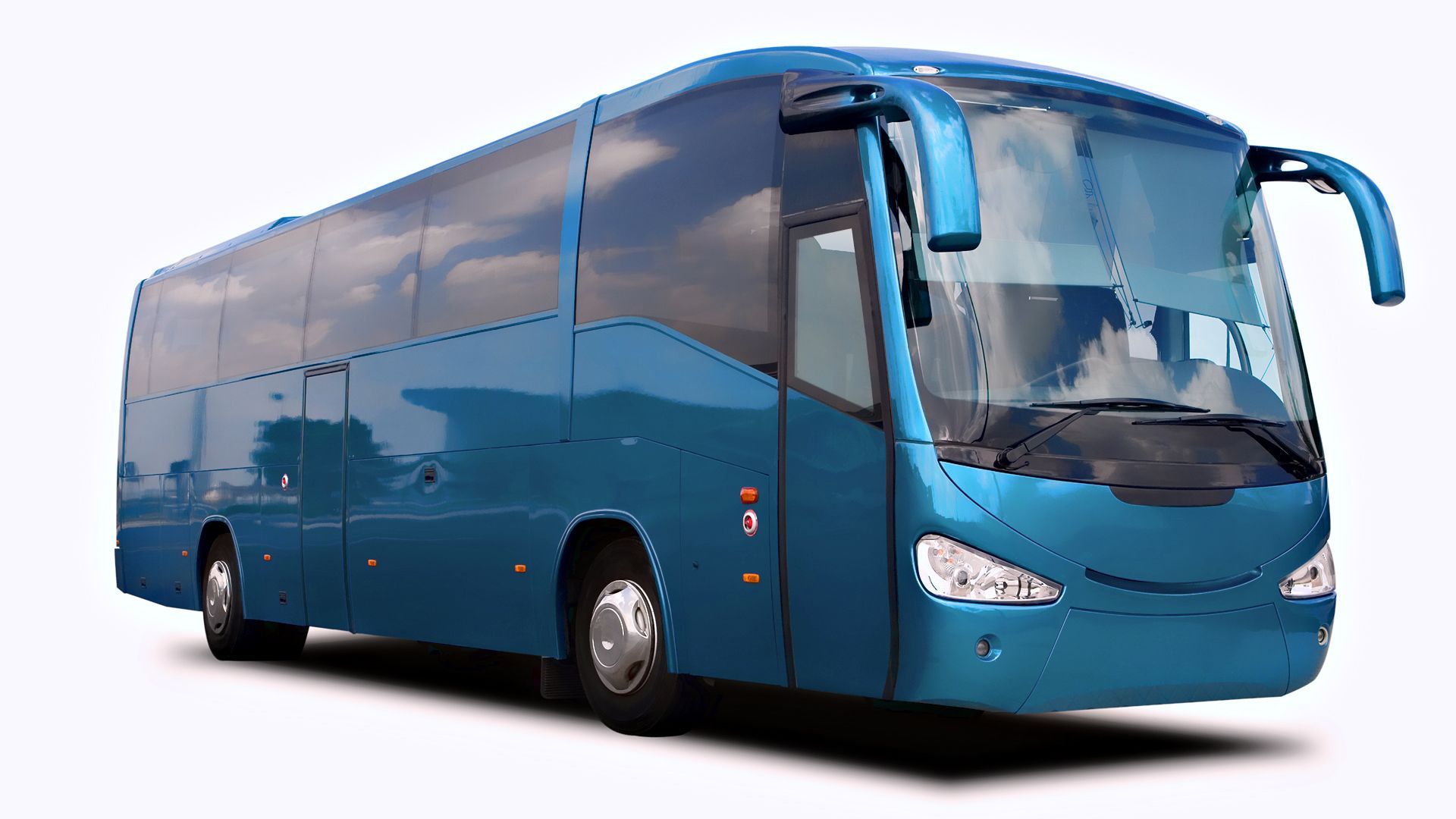
The smaller cities of India are not suddenly emerging; they have long laid their foundations through decades of steady, often unseen progress. Their growth has been sustained by strong road and rail connectivity—where buses and trains became lifelines, enabling the daily movement of workers, students, traders, and ideas long before modern infrastructure entered the picture. Road transport and intercity bus networks linked villages to towns, towns to metros, and regions to opportunity—ensuring continuity rather than disruption.
In this ecosystem, Sangitam Travels has played a quiet but critical role by consistently connecting Tier-2 and Tier-3 cities like Icchalkaranji, Jalna, Dhule, Beed, Akalkot, etc., ensuring reliable mobility where visibility was low but demand was real. With a vision of truly Pan-India road network mobility, such connectivity strengthens regional economies, social exchange, and access—without forcing growth into unsustainable speed.
As India expands its infrastructure and technology, these cities are not being “discovered” but finally being noticed for their resilience, balance, and capacity for sustainable growth. To truly understand India, one must look beyond skylines and speed, and see the cities that built the nation steadily, not by proclaiming their presence, but by maintaining it.